
Build Boardroom Confidence With the Michigan Ross Board of Directors Course

- The Boardroom Challenge: Why Confidence Does Not Always Carry Over
- Building Knowledge: What Executives Learn in the Michigan Ross Board Director Program
- Building Confidence: How the Program Shapes Executive Presence in the Boardroom
- The Outcome: Executives Ready To Contribute at the Highest Level
- Build the Boardroom Confidence Every Director Needs
| Summary:
Moving from executive command to board influence demands a different kind of confidence—one that does not always come naturally to accomplished leaders. This blog reveals how the Michigan Ross Board of Directors Course facilitates this transformation by building the specific boardroom confidence required through its in-depth exploration of corporate governance, legal duties, ethical frameworks, and practical skills. |
Even the most accomplished C-suite leaders, those who have navigated complex organizational challenges and driven significant growth, can find themselves entering the boardroom with a sense of unfamiliarity. The shift from directing day-to-day operations to providing strategic oversight presents a new landscape that demands a distinct skill set and perspective, especially when participating in crucial board meetings.
The Michigan Ross Board Director Program is specifically designed to equip these seasoned executives with the essential knowledge and unwavering confidence needed to lead effectively at the board level, ensuring their transition is not just a change in title but a step into impactful governance.
This blog explores how the Michigan Ross Board of Directors Course stands out from other board of directors training courses by building boardroom confidence in C-suite leaders through corporate governance, legal, ethical, and practical insights.


The Boardroom Challenge: Why Confidence Does Not Always Carry Over
Transitioning from the C-suite to a board seat marks a significant shift, from an operational focus to one of strategic oversight. While executive experience provides invaluable insight into business operations and strategic planning, it does not inherently equip leaders with a complete understanding of the boardroom’s unique demands.
Here is why confidence from the C-suite does not always translate into boardroom effectiveness:
Shift From Execution to Oversight
Executives accustomed to making decisions must adapt to advising, challenging, and providing oversight without overstepping operational boundaries during board meetings.
Gaps in Governance Understanding
- Many C-suite leaders lack formal training in corporate governance, board structures, committee functions, and board protocols.
- Their understanding the board’s role in driving accountability and long-term shareholder value is often underdeveloped.
Nuanced Fiduciary Responsibilities of the Board
- Fiduciary duties, specifically the duty of care and duty of loyalty, are legally binding and carry significant personal liability.
- The distinction between operational responsibility and fiduciary obligation is subtle but critical.
Complex Regulatory Environment
- Boards operate within a stringent and evolving regulatory framework (e.g., SEC regulations and Sarbanes-Oxley).
- Unfamiliarity with compliance, disclosure requirements, and liability exposure can undermine board effectiveness, highlighting the importance of a dedicated board of directors course.
Need for Structured Preparation
- Unlike executive roles, board readiness is not gained through experience alone.
- Formal education and exposure to board-specific challenges are essential to bridge the knowledge gap and build genuine boardroom confidence.
Building Knowledge: What Executives Learn in the Michigan Ross Board Director Program
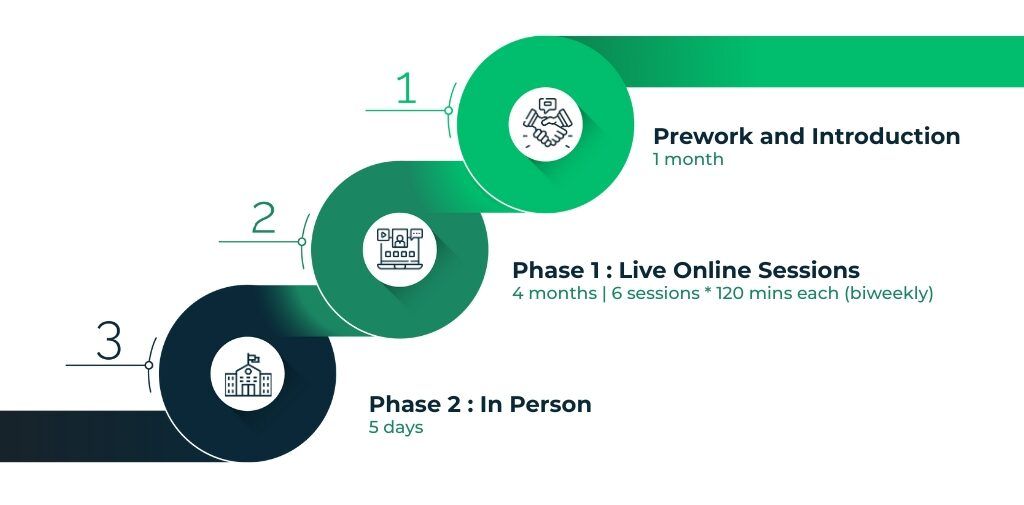
Among today’s top board of directors training courses, the Michigan Ross Board of Directors Course equips C-suite leaders with board-specific knowledge essential for effective governance. Through a combination of live online modules and an immersive in-person experience, participants gain:
- Governance expertise: a deep understanding of board roles, fiduciary duties, legal responsibilities of the corporate board, and governance structures
- Strategic oversight: tools for evaluating corporate strategy, overseeing mergers and acquisitions, and balancing short-term performance with long-term value creation
- Financial acumen: skills to interpret financial statements, understand audit processes, and assess financial and operational risks
- Ethical leadership: frameworks to uphold ethical standards, navigate conflicts of interest, and integrate ESG considerations into governance
- Digital fluency: insights into overseeing digital transformation, cybersecurity risk management, and emerging technologies such as AI and blockchain
- Boardroom effectiveness: training to enhance communication, evaluate board performance, and promote succession planning and board diversity
This targeted learning approach is a key differentiator between this course and other board of directors training courses, as it ensures executives are not only informed but fully prepared to contribute confidently at the board level. To learn more about the program curriculum, visit the program homepage.
Building Confidence: How the Program Shapes Executive Presence in the Boardroom
The Michigan Ross Board of Directors Training Course builds executive confidence through immersive, practice-driven learning that mirrors real boardroom challenges. Participants strengthen their presence and decision-making abilities through:
- Interactive case studies: Analyze real-world corporate governance successes and failures to apply key principles in high-stakes scenarios.
- Simulation exercises: Engage in hands-on crisis management and strategic pivot simulations to practice decision-making under pressure.
- Scenario planning: Navigate ethical dilemmas and stakeholder conflicts to develop clarity and composure in complex situations.
- Real-time learning and global connection: Participate in live online sessions led by expert Michigan Ross faculty and a diverse global cohort, focusing on governance, strategy, and leadership.
- Peer evaluations and feedback: Take part in structured evaluations that encourage reflection, growth, and stronger communication.
- Workshops and discussions: Build inclusive board cultures and improve communication and conflict resolution strategies through collaborative workshops.
These hands-on experiences help participants not only understand the role of members of the board but also gain the confidence and executive presence to perform it effectively. Explore more benefits and download the program brochure directly from the program home page.
The Outcome: Executives Ready To Contribute at the Highest Level
The Michigan Ross Board of Directors Course equips C-suite leaders and senior executives to shift from executing strategy to overseeing it with insight and long-term vision. This transformation strengthens their boardroom credibility and readiness by helping them to:
- Develop a strategic oversight mindset focused on long-term stakeholder value
- Gain the ability to ask incisive questions and challenge management constructively
- Lead with informed authority in board discussions and decision-making
- Acquire comprehensive corporate governance knowledge and practical boardroom skills
- Enhance board readiness with credentials that resonate with nominating committees and boards
- Position themselves as prepared, credible candidates for board director roles
Build the Boardroom Confidence Every Director Needs
The Michigan Ross Board of Directors Course effectively bridges the gap between accomplished executive leadership and impactful boardroom presence. By providing a robust foundation in corporate governance practices, legal responsibilities, ethical considerations, and practical boardroom dynamics, the program equips C-suite leaders to make the transition with both knowledge and confidence.
Explore the Michigan Ross Board of Directors Course homepage and download the brochure to begin building your boardroom confidence—and prepare for impactful contributions at the highest level of corporate governance.