
How to Build Influence Through Collaboration at Work
- Why Collaboration Directly Impacts Business Outcomes
- What Drives Effective Collaboration? Alignment.
- Who Should You Collaborate With? It Depends on Your Goals.
- Strategies for Building Collaborative Relationships That Last
- The Cultural Layer: Global Collaboration Requires Sensitivity
- Influence is Earned, Not Given
- Final Thoughts: Make Your Collaboration Intentional
|
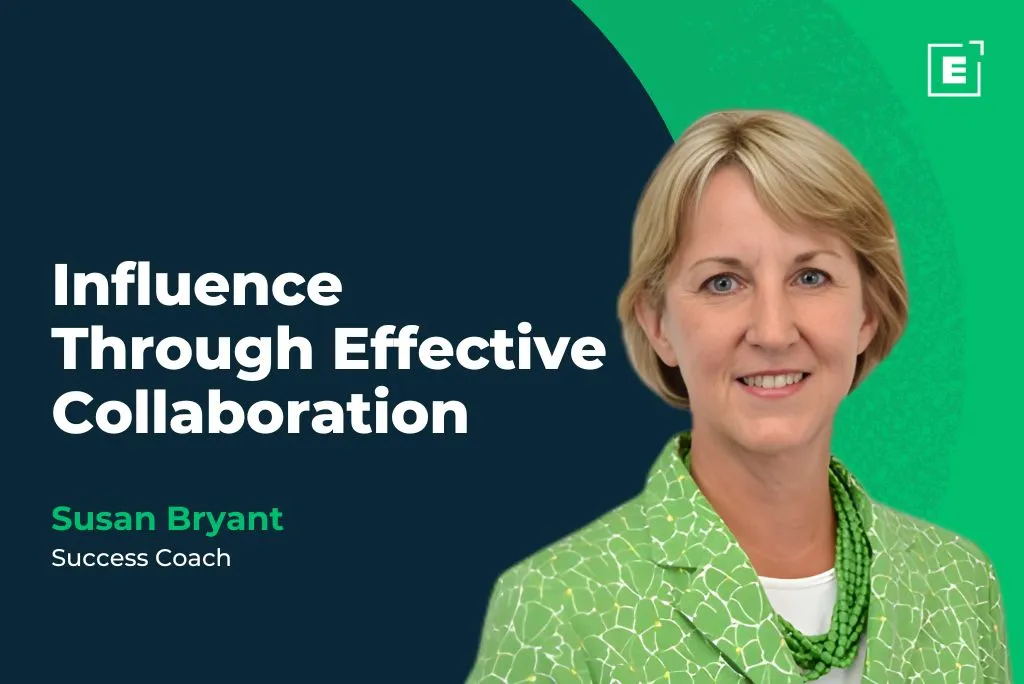
Synopsis: Kellogg CMO Program Success Coach Susan Bryant shares how effective collaboration—built on trust and connection—creates lasting influence and measurable business outcomes. |
Over the course of my career—from my years as a CMO, through my work coaching executives, to my current role as a Success Coach for the Kellogg Chief Marketing Officer Program—one theme has been a constant: collaboration isn’t optional. It is not something you can delegate, nor is it something you can revisit when things calm down. Collaboration is foundational to how we lead, influence, and succeed.
Yet, despite its importance, collaboration remains a misunderstood concept. Too often, it is dismissed as a soft skill. In reality, effective collaboration yields tangible outcomes: improved business performance, aligned resources, stronger networks, and sustainable influence.
In this article, I want to unpack the key insights on collaboration:
- Why collaboration matters—not just to your role, but to business results
- Who to prioritize when building collaborative relationships
- How to collaborate more effectively, across teams, organizations, and cultures
Whether you are a senior leader or an emerging one, this is a capability worth strengthening.
Why Collaboration Directly Impacts Business Outcomes
When I work with executives or run programs like Kellogg’s, this topic comes up in nearly every conversation. That is because the organizations struggling the most are often those where collaboration has broken down. You see it in duplicated roles, resource conflicts, misaligned strategies, and frustrated teams.
Strong collaboration solves for this. It helps ensure resources are pointed toward the right priorities, eliminates redundancy, and improves speed to results. It also strengthens your personal influence network—the colleagues, clients, and partners you will need to call on when opportunities or challenges arise.
But collaboration isn’t just a business tool. It is also a career-long advantage. Whether you work in a large enterprise or lead your own business, these relationships shape your ability to create change and advance your goals.
What Drives Effective Collaboration? Alignment.
We all know collaboration is easier when everyone’s rowing in the same direction. But alignment isn’t something that magically happens because leadership says so. It is built—often painstakingly—through conversation, shared goals, and clear accountability.
At companies like Salesforce, they institutionalize this through frameworks like V2MOM, cascading goals from the CEO to every individual contributor. But alignment isn’t just about cascading objectives; it is also about building trust across silos, functions, and hierarchies.
Alignment ensures marketing and sales aren’t duplicating work. It ensures that finance and operations understand shared resource constraints. Alignment is a virtue that ensures that executives aren’t inadvertently driving contradictory strategies within the same organization.
When alignment is missing, collaboration suffers; however, when present, it accelerates collaboration to yield results.


Who Should You Collaborate With? It Depends on Your Goals.
Collaboration requires intentionality. Not every relationship is equally valuable to your objectives. I encourage executives to think in terms of “targets” for collaboration. Start with:
- Internal stakeholders: Cross-functional peers whose work impacts or intersects with yours.
- External allies: Clients, partners, or industry peers who influence your ecosystem.
- Networks of influence: Those you may not need today, but whose perspectives and support could prove critical in the future.
The goal isn’t to collaborate everywhere. It is to collaborate where shared outcomes—and stronger relationships—matter most.
Strategies for Building Collaborative Relationships That Last
1. Clarify Roles and Expectations
Misalignment often begins with ambiguity. Who is accountable? Who is supporting? What does success look like? Whether you are leading a cross-functional team or working across organizations, clarity on roles and expectations reduces duplication, prevents confusion, and strengthens trust.
2. Align on Measurable Outcomes
Effective collaboration is grounded in shared goals and clear metrics. When everyone agrees on what “good” looks like—and how it will be measured—it is far easier to stay aligned, even when challenges arise.
3. Communicate Openly and Directly
Great collaboration requires great communication. That means honest conversations about priorities, progress, and pitfalls. It also means knowing how to adjust your communication style to your audience—whether that’s a generational difference, cultural nuance, or functional background.
4. Leverage Diversity Intentionally
Collaboration thrives on difference. Generational, cultural, functional—these differences bring perspectives you can’t access in homogenous teams. But leveraging diversity requires humility and intention. It means listening actively, inviting dissent, and creating space for varied viewpoints.
We have never before had four generations working side-by-side in the same organization. This generational diversity brings opportunity—but also requires patience, empathy, and a willingness to adapt.

The Cultural Layer: Global Collaboration Requires Sensitivity
Working across cultures adds complexity to collaboration. Communication styles, hierarchy, attitudes toward failure—these vary greatly. In some regions, direct feedback is valued; in others, it is avoided. What works in one market may not translate in another.
Understanding these nuances isn’t just polite—it is strategic. It avoids missteps and builds trust faster. And yes, AI tools can help translate language. But human relationships still require cultural intelligence.
Influence is Earned, Not Given
At the heart of collaboration is influence. Not the influence of title or hierarchy, but the influence built through trust, shared goals, and consistent action.
Think of your relationships like a bank account: every positive interaction is a deposit. When misunderstandings arise—and they will—you need enough goodwill “in the bank” to weather them. Building that reserve requires intentionality, generosity, and consistency.
Final Thoughts: Make Your Collaboration Intentional
Collaboration doesn’t happen by accident. It happens when we prioritize it, nurture it, and hold ourselves accountable for it. In doing so, we don’t just achieve better business results. We build careers marked by influence, opportunity, and meaningful relationships.
If you take nothing else from this post, remember this:
Talk the same language. Build trust. Align goals. Communicate openly. And make it intentional. That is the foundation of influence. And influence is how we lead.
(Susan Bryant is the success coach for the Kellogg Chief Marketing Officer Program. Views expressed here are her own.)