
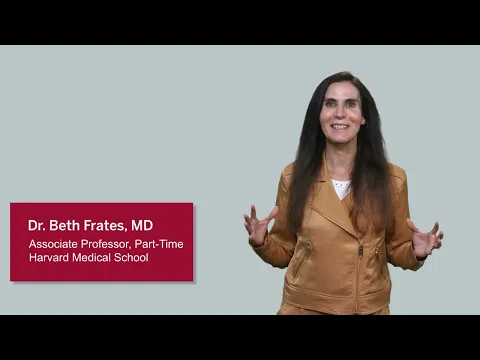
Course Preview | Nutrition and Wellness Coaching from Harvard Medical School
6:27 min
423
I'm so glad you decided to join me for this combined learning journey. For the first part of our journey together, we're going to focus on the power of curiosity. As part of this program, you'll have an opportunity to work with someone and learn all about them. Your goal is to learn facts about them and learn how they're feeling. You'll spend time with them in a nonjudgmental way, with no shame, blame, or guilt. Focus on appreciating them for who they are as human beings. Use compassion to help them feel comfortable so they can share their real story, be vulnerable, be authentic, and be honest with you. This way, you can truly help them heal and change.
This work will involve feelings. Our feelings often fuel our actions in many ways. Feelings can sometimes motivate more than facts, and they can also hinder progress. It's important to understand not just what people do, but why they do it. You get to the “why” by understanding how they feel. Paying attention to both facts and feelings while staying curious and focused on the person in front of you is a skill that takes practice. With this way of being, you can get to the heart of the matter. Facts speak to many people, but most people are moved by emotions. People take action when they feel moved. Even when someone hears powerful statistics, it is how they feel about them that drives action. Emotions and feelings are central to motivation and are at the heart of coaching.
I'll share with you the COACH mnemonic: curiosity, openness, appreciation, compassion, and honesty. If you are a coach, you can use these attributes with your clients right away. If you're not a coach, these skills can still help you understand people better and meet their needs more effectively.
Because we focus on listening and learning, we ask open-ended questions. We practice generous listening—listening deeply and mindfully. Open-ended questions allow us to learn not only facts but also feelings. Closed-ended questions, which result in yes, no, or one-word answers, mostly give us facts. For example: Do you eat your meals on the run? Do you eat vegetables? Do you eat a lot of highly processed foods? These questions provide factual information but little insight into emotions.
The only way to understand feelings is by asking open-ended, thought-provoking, powerful questions. What is your relationship with food? How do you feel about your eating pattern? What would it take to adopt a healthy eating pattern? How do you feel after you eat? These questions help you better understand the person in front of you, which is essential. Curiosity is key. We aim to listen more, speak less, and ask many open-ended, thoughtful questions.
Our journey together focuses on both nutrition and behavior change. Open communication is essential for helping people adopt and sustain healthy behaviors. Compassion is the engine that drives effective communication about nutrition and other lifestyle behaviors.
Here is some food for thought from the book “Words Can Change Your Brain” by Andrew Newberg and Mark Robert Waldman. The authors describe twelve strategies for compassionate communication: relax, stay present, cultivate inner silence, increase positivity, reflect on your deepest values, access a pleasant memory, observe nonverbal cues, express appreciation, speak warmly, speak slowly, speak briefly, and listen deeply. Consider which of these strategies comes most naturally to you and which ones you might want to work on. Learning to speak briefly was one of the skills I needed to develop early in my coaching journey.
To this day, I continue to practice all twelve strategies. Throughout this nutrition and behavior change course, you'll see why they matter.