



Hiring in the Age of Generative AI: Smarter Questions, Better Hires

A few months ago, I was hiring for a content manager role. You know the drill—written assignment, interviews, reference checks, the whole works. The candidate’s written piece was outstanding. Sharp, clear, beautifully structured answers, with real-world examples and whatnot. My first thought? “Finally, someone who gets it!” 

The interview rounds? The same happy story. Confident answers, lots of buzzwords in the right places, a calm, collected presence. We were impressed. Fast forward a month into the job, and… uh-oh. The writing assignments they were producing now? Messy. Disjointed. Some briefs were getting tossed back from internal stakeholders. Feedback from peers was quietly stacking up. It wasn’t malicious—the person genuinely seemed to struggle to replicate what they had showcased before. That’s when it hit us: they probably used AI to ace the written assignment. And maybe leaned heavily on AI in interview prep, too. 

Now, before you think this is a rant against candidates using AI, more specifically, AI in interview settings, it’s not. I’m all for candidates using whatever tools they can to put their best foot forward. After all, we have all polished a resume or rehearsed a few great lines before an interview.

AI and ML Courses

But the reality is interviewers now need to step up their game when we consider the role of AI in interview prep—and beyond. You can’t just expect to catch “fakes”—because it isn’t about catching anyone. It’s about being prepared for a world where candidates will come armed with AI tools—and that’s OK. Your job is to tell who can swim once the floaties are off. And how can you do that? Here’s how:

Detecting AI Assistance Without Turning Into the AI Police

Applications of artificial intelligenceAsk “On-the-Spot” Questions 

To gauge the candidate, don’t just review their written work—ask them to write, brainstorm, or critique something live during the interview.
Example: “Here’s a brief. Sketch me the skeleton of a blog post in 10 minutes.” You’ll quickly see how they think without a ChatGPT prompt.

Probe Beyond the Answer 

An assured way to know the use of AI in interview setups is getting that “perfect” answer. When that happens, dig into the “why” and “how”. AI can craft beautiful answers, but real expertise shows up when you ask: 

  • Why did you structure it this way?
  • What other options would you have considered?
  • If the audience hated this, how would you pivot?

Look for Pattern Mismatches 

Sometimes, the answers just feel weirdly generic. Not wrong—just superficial. That’s your clue to dive deeper. AI in interview contexts can help candidates sound good. But it’s harder for them to reason and improvise under mild pressure.

Be a Master at Throwing Curveballs

Practice Live Assessments 

Don’t rely only on pre-submitted assignments. Build a small live exercise or case study into every hiring process, especially for roles where thinking, writing, or creativity are key.

Run “Unhappy Path” Interviews

Create scenarios where candidates are expected to struggle a bit. How they recover, think aloud, and approach the unknown is more valuable than the perfect answer that using AI in interview setups will get you.

Train Yourself and Your Team to Detect AI

Run internal sessions where you review sample work and guess: real vs AI? You’ll be surprised how much sharper your team will get at this.

But First, and Foremost, be Good at AI Yourself 

Prompt Engineering 101

Learn how candidates might use AI in interviews. For example, leveraging tools such as ChatGPT. Then try giving the tool your assignment brief and most-asked interview questions, and see what it produces. You will start recognizing the AI flavor that sneaks into polished responses.

Familiarity With AI Writing Patterns

Here are some telltale signs that something is written by AI:

  • Over-structures—too clean and concise 
  • Sounds ultra-neutral and emotionless, at times and lacks a strong human voice
  • Loves safe transition phrases like “In conclusion”, “On the other hand”, etc.

If you’re hiring for marketing, design, content, or even analytics and technology, know which AI tools are popular and what they can and cannot do. This will make it easier to sniff out the presence of AI in interview responses.

Up Your Interviewing Skills

Focus More on Thinking Than Output

A candidate’s process matters more than their final submission. Therefore, ask questions such as “Walk me through your thought process from brief to final draft.”

Normalize Discussing Using AI in Interviews and Beyond

Straight up ask candidates:

“Did you use any tools to help you with this assignment?” If they say they haven’t, make it amply clear that you wouldn’t have minded even if they did. 

“Which AI tools do you usually rely on?” Make it a conversation, not an interrogation. Discuss how AI tools have started making things better at your organization.

Test Adaptability, Not Just Expertise

The future isn’t about being the smartest in the room; it’s about adapting fastest when the room changes. Prioritize resilience, curiosity, and continuous learning over textbook-perfect answers.

Finally, Learn How to Handle the “Imposters” Who Sneak in

There are chinks in even the strongest of armors. Hence, what should you do about candidates who ace the interview with AI help and then flounder in the actual job?

1. First, give them a real chance. They may need help finding a workflow that fits. Coaching them a bit in real-world expectations and performance might unlock them.

2. Second, make deliverables crystal clear. Don’t assume; spell out expectations during onboarding: quality benchmarks, timelines, internal feedback loops, etc.

3. Third, adjust probation periods if needed. Give yourself a longer runway to assess real capabilities, and not just initial performance. If they can’t course-correct despite support, you have a cleaner exit path.

Bottom Line

It’s not “cheating” for candidates to use AI, but far from it. It’s a smart way to survive and prosper. But it is our job as interviewers to build a smarter process; one that doesn’t just reward slick AI-generated polish, but also rewards real thinking, adaptability, and execution.

Let’s get it straight. AI isn’t ruining hiring. It’s just raising the bar for everyone. Are you ready to jump higher?

Write to us at content@emeritus.org

NOTE: The views expressed in this article are those of the author and not of Emeritus. 

About the Author


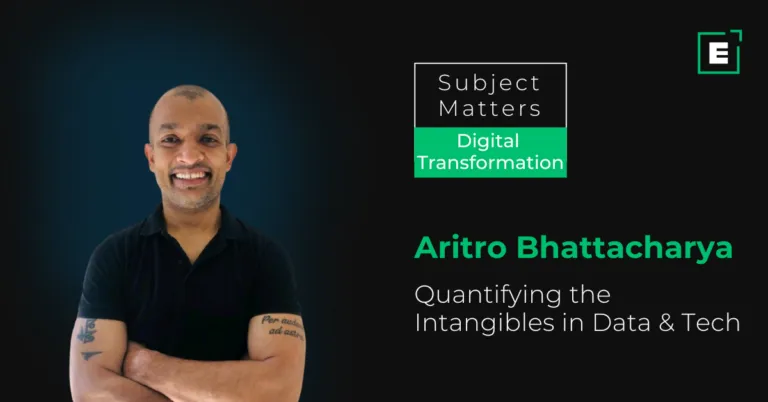
Digital Product and Marketing Analytics Expert, Adobe
Aritro has launched, grown, and run digital businesses, mostly in India, across organizations of all shapes and sizes. No wonder he champions digital transformation as one of the most sought-after and yet misunderstood disciplines in the digital value chain. He loves studying data, design, and culture, which drive value for customers and businesses. When he is not talking about his cats, tattoos, gourmet coffee, quizzing, or a perfect BMI of 24 (in no order), he loves talking about finance and education. He's been a seasoned learner on Emeritus and looks forward to sharing his experiences and points of view with fellow learners on the platform.
Read More About the Author

Related courses

Learn more about building skills for the future. Sign up for our latest newsletter

Get insights from expert blogs, bite-sized videos, course updates & more with the Emeritus Newsletter.

IND +918044124883
IND +918044124883